
9. Explain how fake news and disinformation pose threat to Internal Security and Public Order in Indian context? In this regard, discuss salient features of amendments in respect of Information Technology (Intermediary Guidelines and Digital Media Ethics Code) Rules 2021. (Answer in 150 words)
Introduction
With the rapid spread of social media, fake news, deepfakes and coordinated disinformation can reach millions within minutes. By exploiting social, religious and political fault lines, they can create panic, conflict and distrust in public institutions, making them an important challenge to India’s internal security.
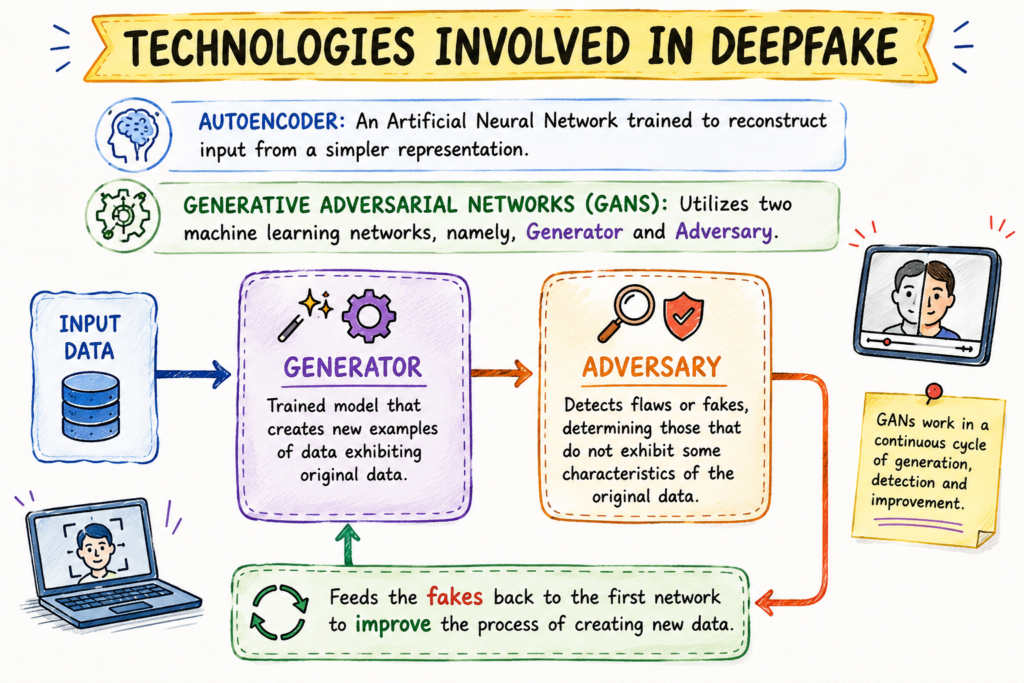
Threats to Internal Security and Public Order
- Communal tension: Fake videos, edited images and rumours can provoke communal clashes, mob violence and social unrest.
- Political and social polarisation: Coordinated disinformation and bot networks can influence public opinion, deepen divisions and undermine trust in democratic institutions.
- Panic and disruption: False information during disasters, epidemics or financial crises can create panic, hoarding and unnecessary pressure on the administration.
- Threat to national security: Foreign and non-state actors can use disinformation as part of hybrid warfare to manipulate public opinion and weaken social cohesion.



Key IT Rules Amendments
- Greater intermediary responsibility: Platforms are required to exercise greater due diligence regarding unlawful and misleading content; failure to comply can affect safe-harbour protection.
- Grievance Appellate Committees: The framework provides users an appellate mechanism against decisions of intermediary grievance officers.
- Action against fake/false information: The 2023 amendment strengthened provisions concerning fake or false information relating to the Central Government and other unlawful content.
- Regulation of AI-generated content: The 2026 amendments specifically address Synthetically Generated Information (SGI), strengthening requirements relating to identification and labelling of such content.
Conclusion
Thus, regulating disinformation is necessary for public order and national security, but it must be balanced with freedom of speech and expression. Effective regulation should therefore combine technological safeguards, media literacy and due process rather than relying only on content removal.



 Ravi Raaz
 Hassan Khan
 Shadab Ali