
5. Explain by giving two examples, how biotechnology has helped the Indian farmers in processing their perishable crops. (Answer in 150 words)
Introduction
Introduction
Biotechnology has improved the post-harvest management of perishable crops by extending their shelf life, improving processing efficiency and creating opportunities for value addition, thereby reducing wastage and improving farmers’ returns.
Two Examples
1. Nitric oxide technology for extending shelf life:
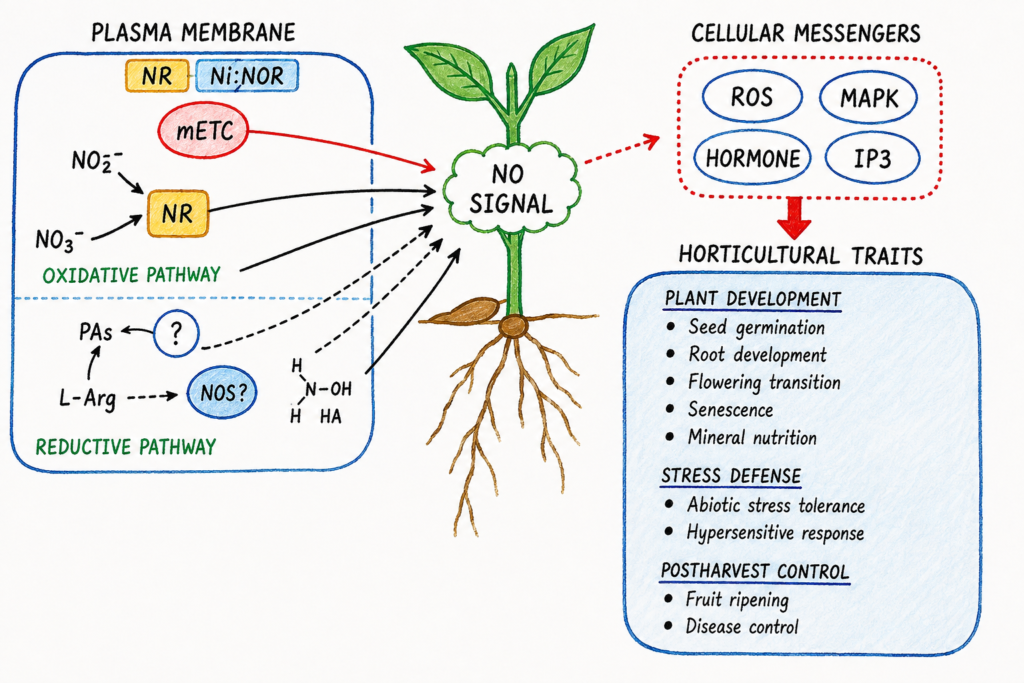
- A DBT-supported nitric oxide-mediated technology helps delay the ripening of fruits such as mango, banana and chikoo by slowing ethylene-related ripening processes.
- This allows fruits to remain marketable for a longer period and reduces spoilage during storage and transportation.
- Farmers consequently get more time to transport their produce to distant markets, avoid distress sales during seasonal gluts and potentially obtain better prices.
- Thus, biotechnology helps bridge the gap between harvesting and marketing.



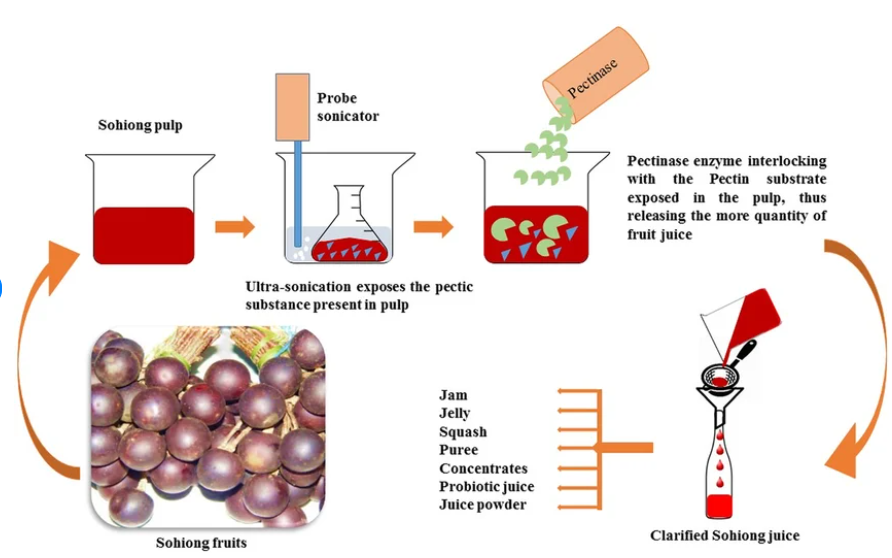
2. Enzyme-based fruit processing:
- Microbial enzymes such as pectinases improve the extraction and clarification of fruit juices by breaking down pectin in the fruit tissue.
- This makes it easier to process surplus mango, guava, aonla and kinnow into juices, pulps, concentrates and other value-added products.
- Such processing converts highly perishable produce into products with longer shelf life, reduces wastage during peak production and enables farmers and FPOs to access wider markets.
Conclusion
Thus, biotechnology helps connect farm production with agro-processing, converting perishable crops into marketable products while reducing post-harvest losses and creating opportunities for higher value addition and better farmer incomes.




 Ravi Raaz
 Hassan Khan
 Shadab Ali